
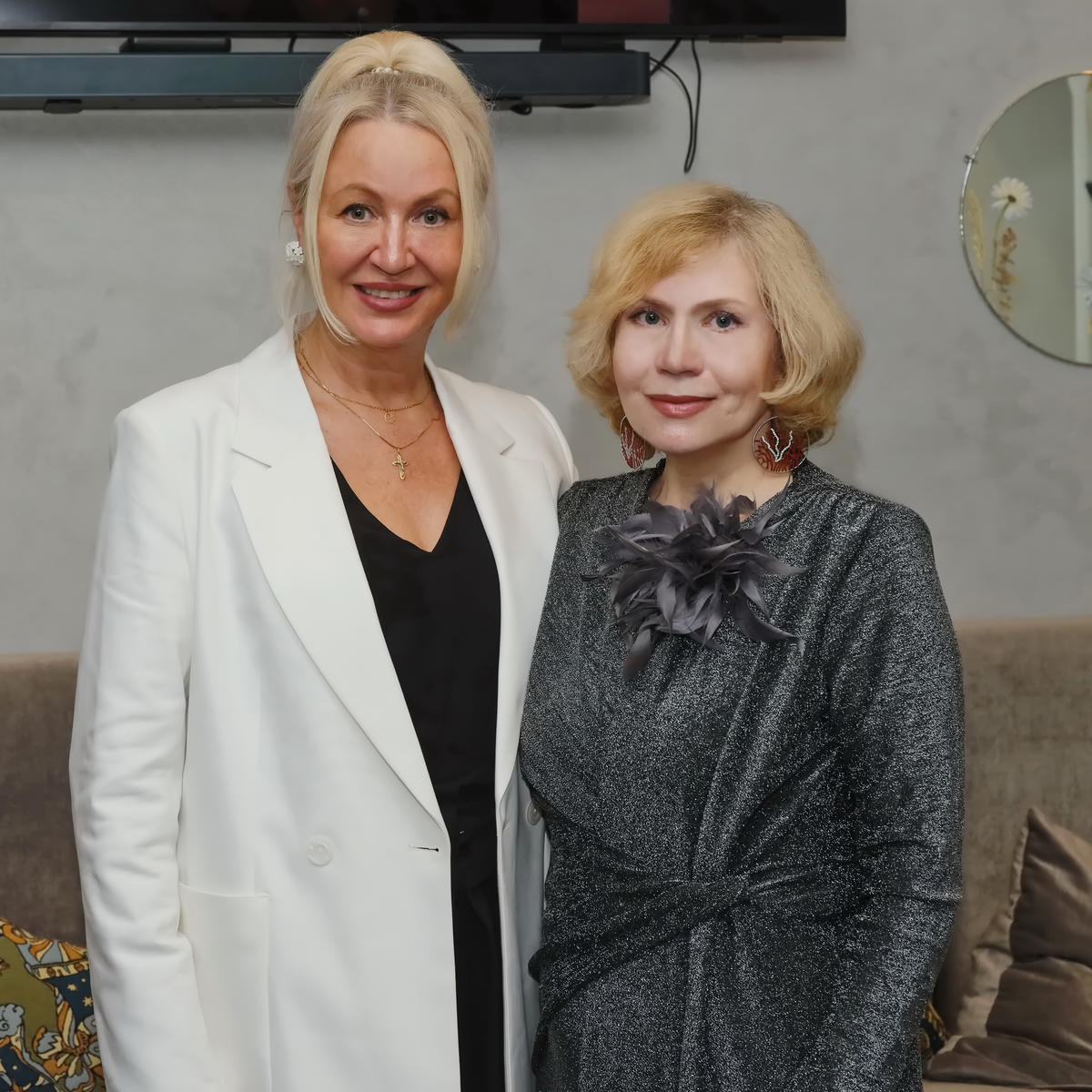
November 20 is the birthday of the legendary ballerina Maya Plisetskaya. As part of the International Project “Connection of Eras”, an Art Evening was held in Moscow dedicated to one of the most striking figures of the 20th century. Event guests not only honored the memory of the Bolshoi Theatre’s prima ballerina but also discovered new, little-known facets of her personality.
“Maya Plisetskaya is a Star and a Goddess to everyone who has ever seen her.” Mikhail Baryshnikov
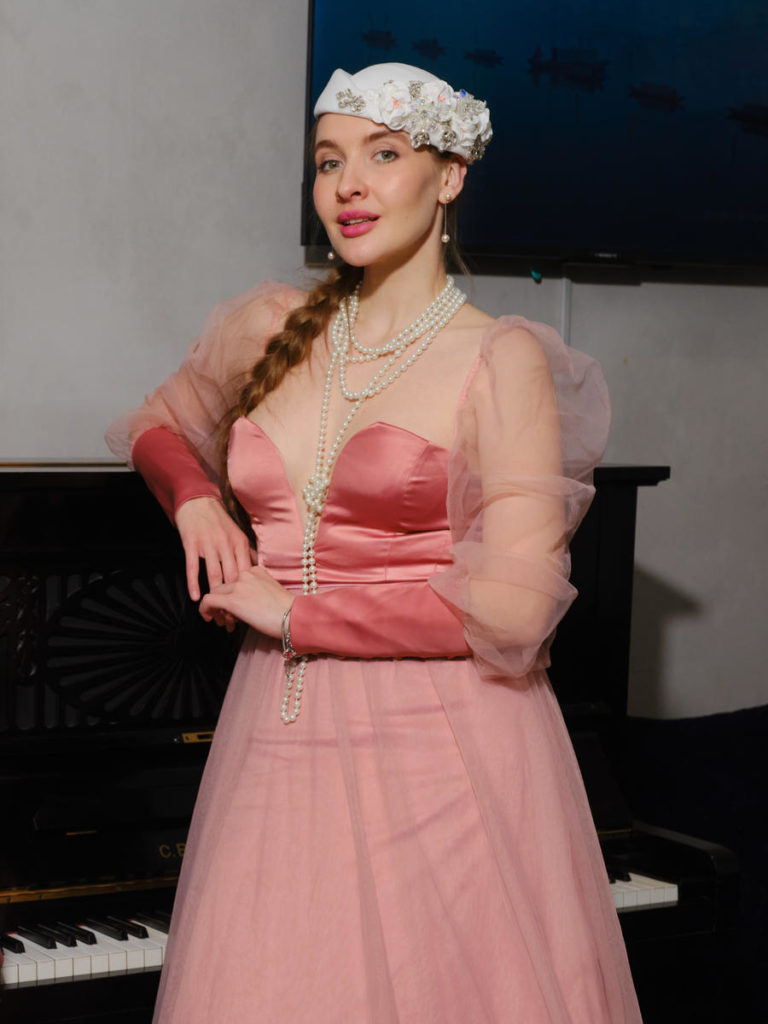
Maya Plisetskaya’s art largely shaped the face of world ballet and continues to inspire new generations of performers to this day. Having become a true ambassador of Russian culture, she represented Russia on the most prestigious stages around the world, and her name turned into a synonym for perfection both in dance and in life.
Behind the Scenes of Triumphs: Ballet, Haute Couture, and Favorite Fragrance
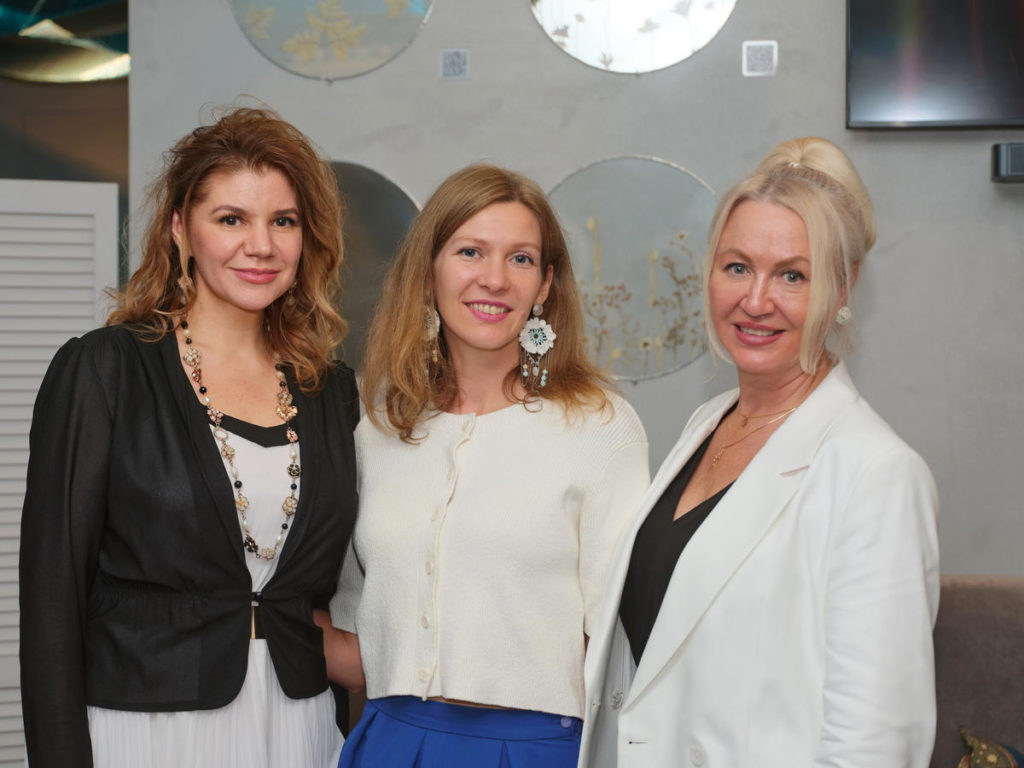
The central event of the evening was a lecture by Oksana Andreyevna Karnovich — head of the “Maya Plisetskaya Apartment Museum” department at the State A.A. Bakhrushin Theatre Museum, PhD in Art History, ballet dancer, ballet critic, and associate professor at the Moscow State Academy of Choreography. Oksana Andreyevna knew Maya Mikhailovna personally: she worked in the “Imperial Russian Ballet” under the artistic direction of Gediminas Taranda, of which Plisetskaya herself was the honorary president. The lecturer’s own repertoire includes about 30 parts.
Drawing on rich archival photo and video materials, Oksana Karnovich invited guests behind the scenes of the ballerina’s main triumphs and revealed the secrets of her iconic roles and her long-standing creative partnership with composer Rodion Shchedrin.
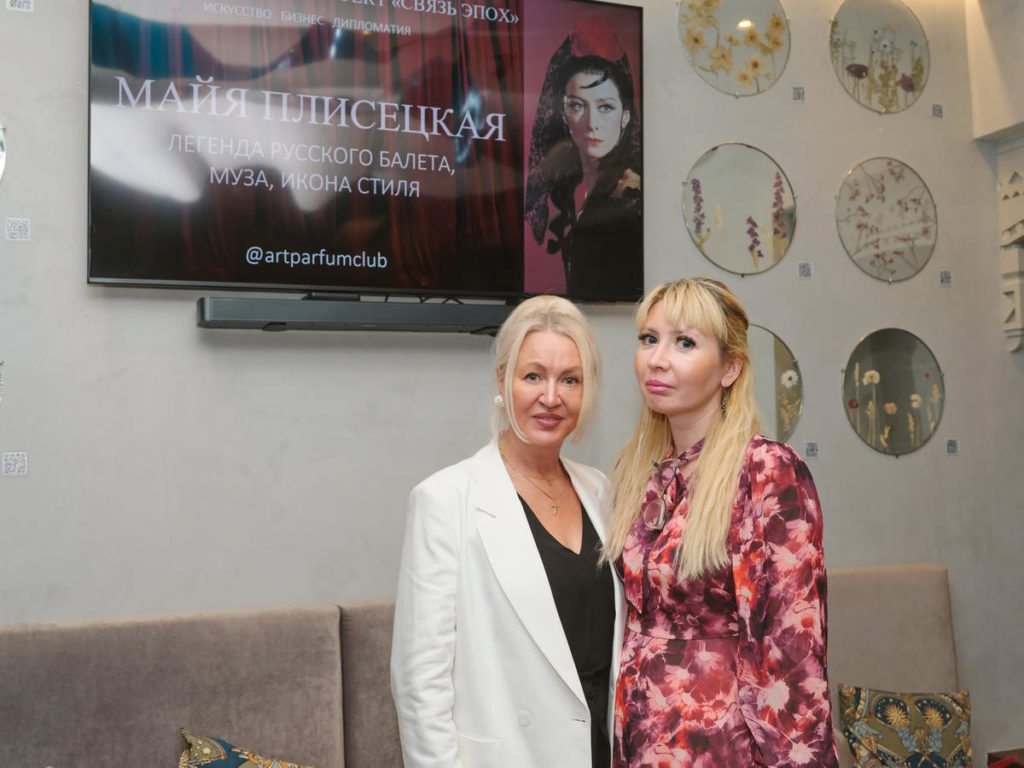
The great ballerina is called a style icon and trendsetter. The audience learned details about how the prima became the muse of legendary French couturiers — Coco Chanel, Pierre Cardin, Yves Saint Laurent, and Jean-Paul Gaultier. The lecture featured stories about her friendship with Lily Brik, Marc Chagall, and Nadia Léger, as well as the ballerina’s signature perfume style — the daring leather chypre “Bandit” by the French house Robert Piguet.
Maya Plisetskaya’s phenomenon extends far beyond choreography: she became the first Soviet artist whose name sounded equally prominent on major foreign stages and in the world of Parisian haute couture.
From Arctic Barentsburg to Buenos Aires: The Geography of a Legend’s Life
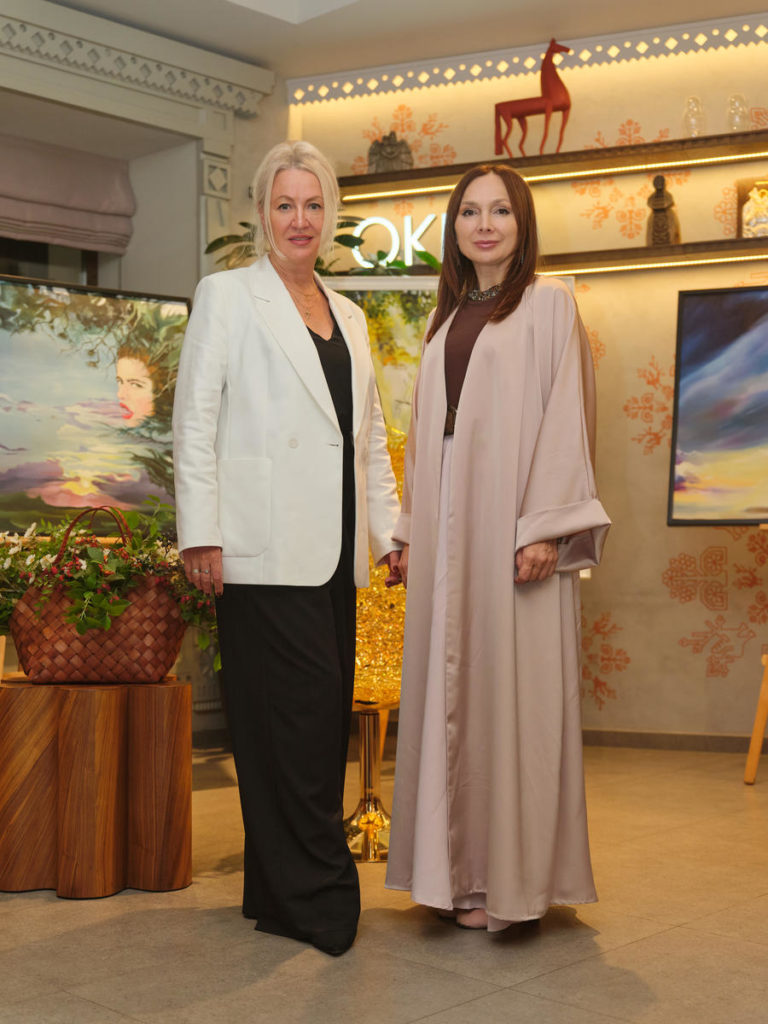
A touching discovery of the evening was the Arctic page in the ballerina’s biography. Natalia Vitalyevna Serkova, editor-in-chief of the magazine “Russian Herald of Svalbard”, spoke about the period from 1932 to 1936 when Maya Mikhailovna lived in Svalbard. Her father, Mikhail Plisetsky, managed Soviet mines there and simultaneously served as the USSR Consul General on this Norwegian archipelago. The future legend’s very first stage appearance took place in polar Barentsburg — a kind of overture to her worldwide recognition.
The international scale of the ballerina’s personality was emphasized by Yan Anastasyevich Burlyai — Ambassador Extraordinary and Plenipotentiary, Director of the Center for Ibero-American Programs, and Honored Professor of MSLU, who previously headed the Latin American Department of the Russian Ministry of Foreign Affairs and served as the Ambassador Extraordinary and Plenipotentiary of the Russian Federation to Argentina, Paraguay, Uruguay, and Ecuador. He shared personal memories of meeting Maya Plisetskaya in Buenos Aires.
Music, Fragrances, and Living Heritage
The evening’s musical program transported guests to the era of the great prima:
- The prelude featured Soviet-era songs performed by Diana Burova (VIA “SoyuzEstrada”).
- Mosconcert soloist and opera star Marina Agafonova brilliantly performed the habanera from Georges Bizet’s opera “Carmen” — a work that became a major source of inspiration for Plisetskaya.
- Tatiana Balandina, editor-in-chief of the “Musical Key” magazine, spoke about cooperation with the von Meck Foundation aimed at preserving the cultural heritage of Pyotr Ilyich Tchaikovsky, which is inextricably linked with the history of Russian ballet.
A special sensory atmosphere was created by a tasting of theatrical fragrances from THEATRE des PARFUMS FRANCE, inspired by Russian ballet, and a Chinese tea ceremony from the “Dobropey” tea house. The special “Maya Tea” turned into a gastronomic metaphor for dance, in which emotions are conveyed through taste, aroma, and ritual.
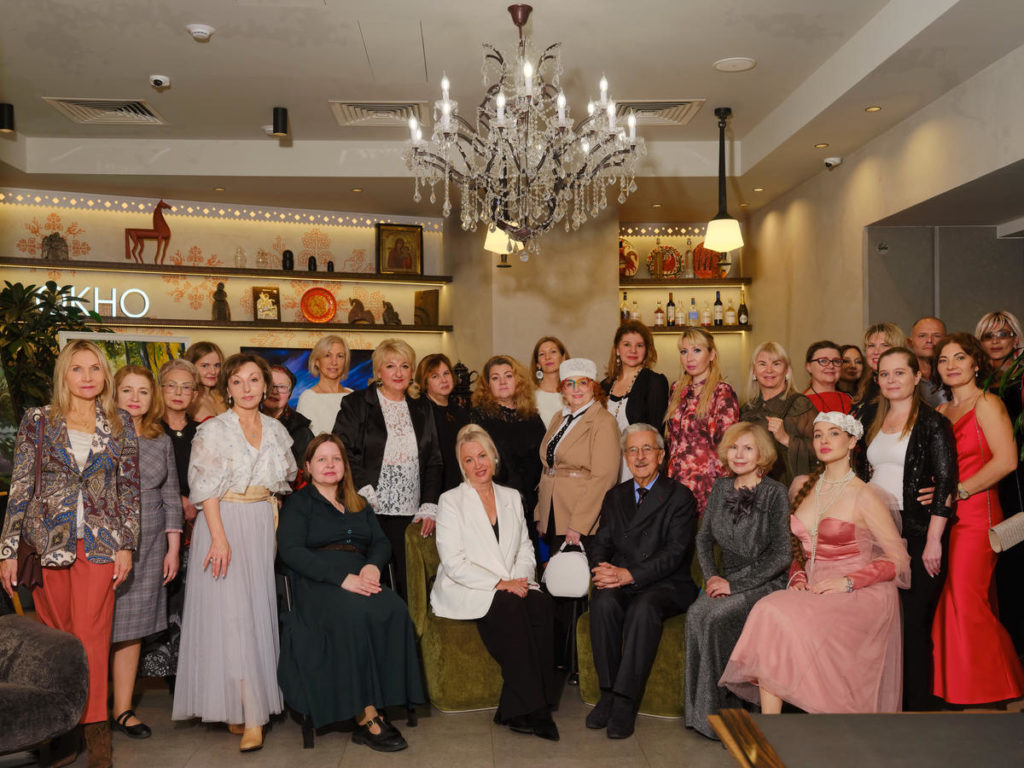
The meeting of past and present took place within the walls of the “Okno” apart-hotel, which has preserved the spirit of the old Lvov-Odoevsky estate and is located just a few minutes’ walk from the Bolshoi Theatre. Lucia Roshchevkina, head of the International Project “Connection of Eras”, emphasized that the evening became not just a tribute to memory, but a living reminder: true art is timeless.
Photographer: Sergei Lobov
Frequently Asked Questions
The main lecture was delivered by Oksana Andreyevna Karnovich — head of the “Maya Plisetskaya Apartment Museum” department at the Bakhrushin Museum and PhD in Art History.
From 1932 to 1936, Maya Plisetskaya lived in polar Barentsburg on Svalbard, where her father managed Soviet mines, and her very first stage appearance took place there.
The ballerina was the muse of such legendary French couturiers as Coco Chanel, Pierre Cardin, Yves Saint Laurent, and Jean-Paul Gaultier.
The ballerina’s signature perfume style was the daring leather chypre “Bandit” by the French house Robert Piguet.
The meeting took place in Moscow within the walls of the “Okno” apart-hotel, located in a historic building near the Bolshoi Theatre.
Related Links
- “The Golden Code of Russian Culture”: How a Stalinist Skyscraper Became a Portal for a Dialogue Between Eras
- Cycling Journey as a Social Experiment: The Moscow–Vladivostok Project Through the Lens of Barber Culture
- EVENING OF ART “TRIUMPH OF RUSSIAN CULTURE”: A Meeting of Eras in the Heart of Moscow
- Moscow Fashion Week: An Engineer’s First Impressions
- Official Information Partner: The International Project “Connection of Eras” Revives the Magic of the Roaring Twenties in the Capital