
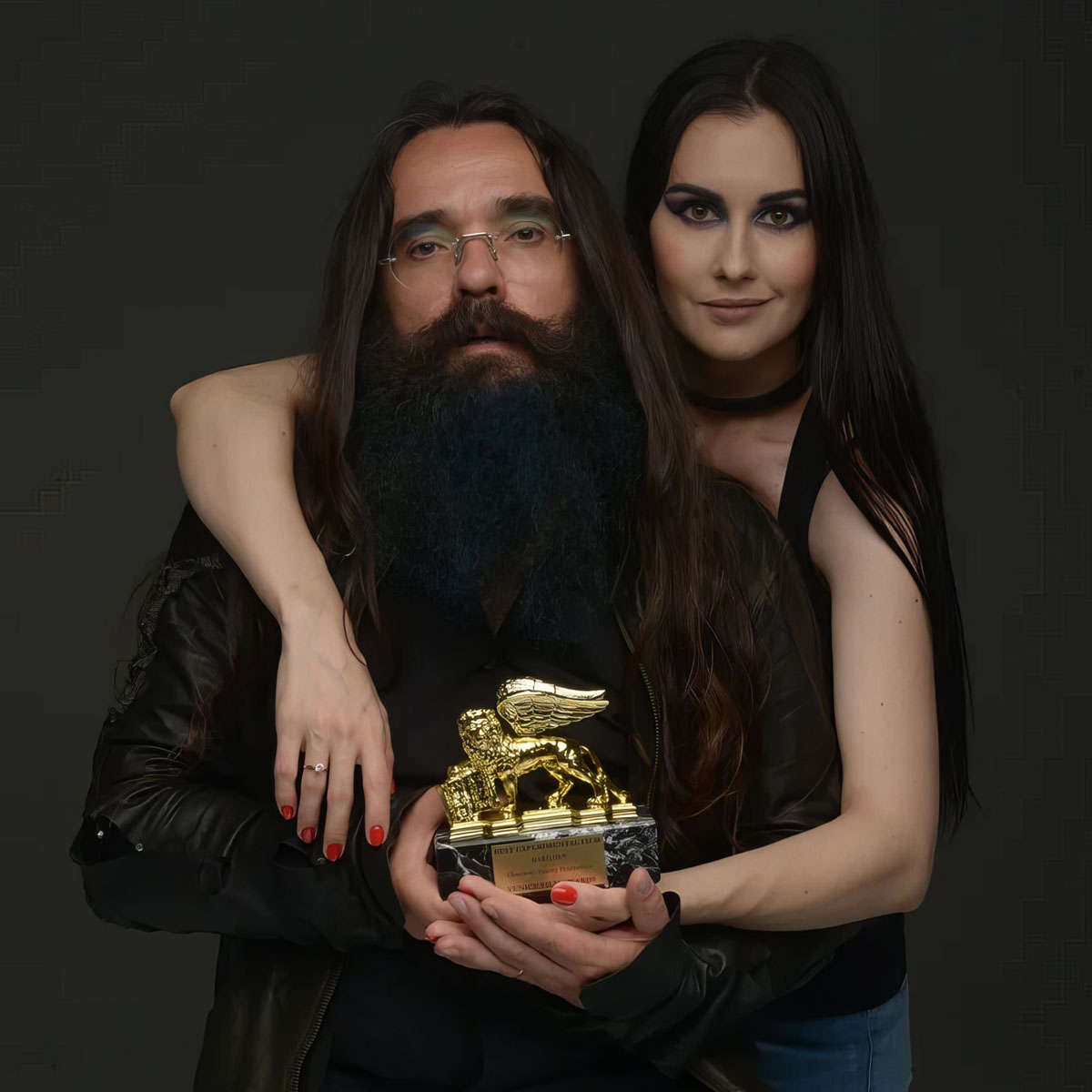
Valery and Yulia Pereverzevy on dreams, cinema, museums and the nature of creativity
Valery Pereverzev is a film director, artist, screenwriter and creator of unconventional museum projects. Yulia Pereverzeva is a producer, screenwriter and actress. Together, they work on films that spark discussions and receive recognition at festivals, while their museum projects have long become a notable part of cultural life.
In an interview with MosFocus, the couple spoke about their journey into art, the role of dreams in an artist’s life, their experimental museum projects and the future of Russian cinema.
“If You Dream, Dream Big”
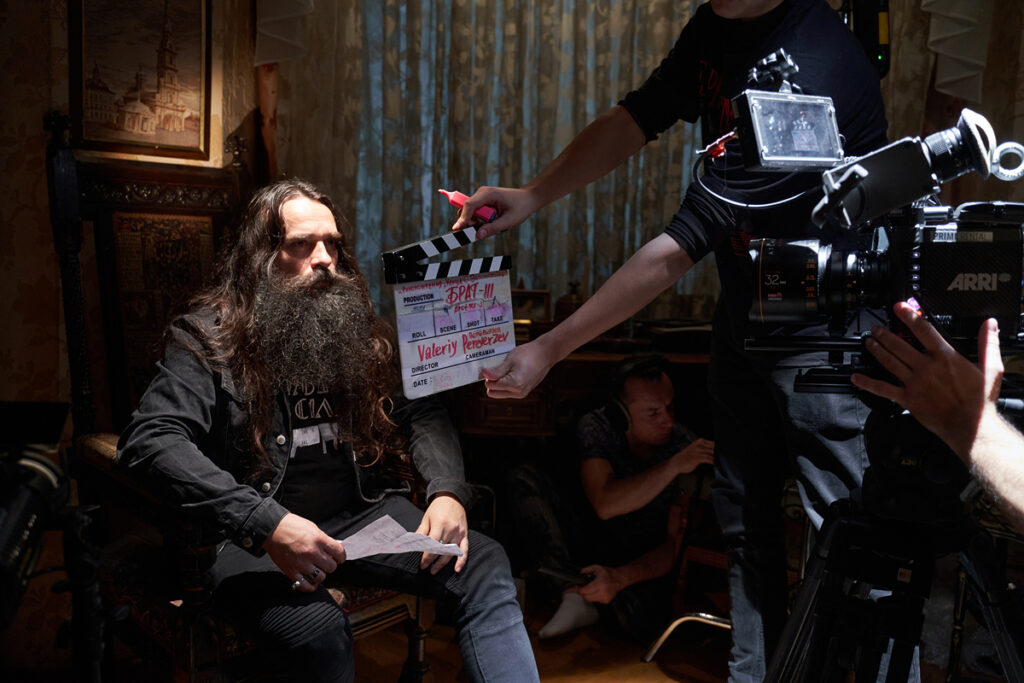
Kirill Prepelitse: Valery, tell us about a day that you consider one of the most important in your life.
Valery Pereverzev: I have always believed that you should truly dream. Not about everyday things that will happen anyway, but about something that seems almost impossible.
At one point, I imagined the premiere of my own feature film at the Oktyabr Cinema. I wanted the woman I loved to be beside me, for the audience to arrive dressed beautifully, and for everything to feel like a real celebration of cinema.
I imagined walking into the theater, watching the audience experience the story together with the characters. But the most important thing was not that. I wanted the film itself to become the main event of the evening.
Cinema is always a collective effort. Dozens and hundreds of people work on a film. I wanted every member of the team to feel that they were part of that moment.
Eventually, that dream came true. Of course, not everything happened exactly as I had imagined. Life always makes its own adjustments. But that was when I realized: if one big dream can come true, then the next one can come true as well.
From Military School to Art
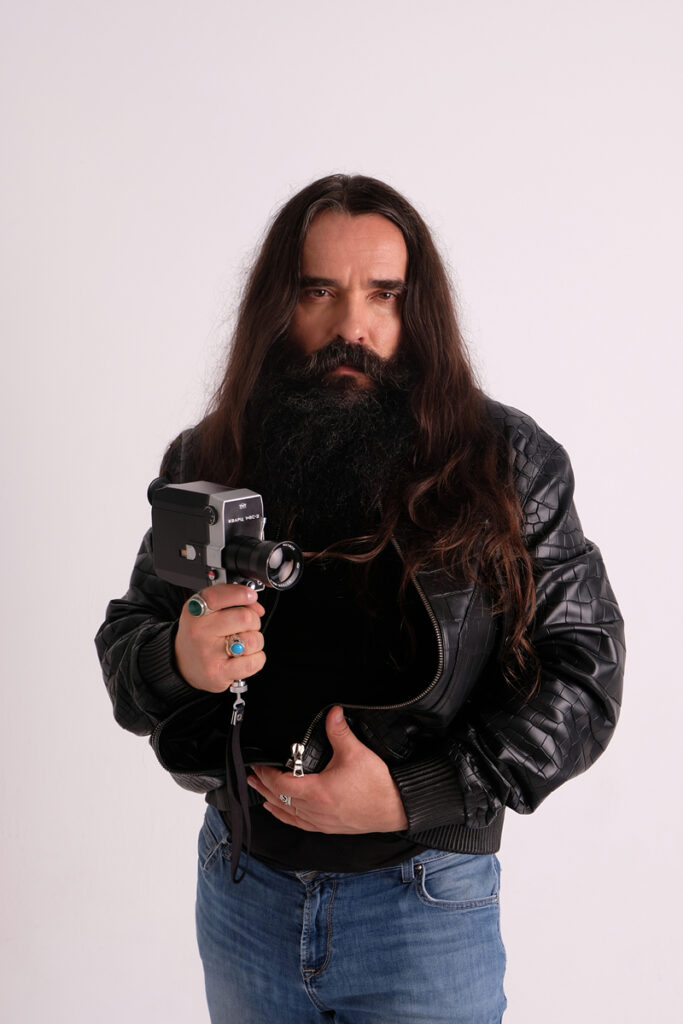
Kirill Prepelitse: Many people are surprised by your professional path. How did a graduate of a military academy end up in cinema?
Valery Pereverzev: First, I should clarify something. People often call me a chemist, but that is not entirely accurate.
I graduated from the Tambov Higher Military Command School of Chemical Defense. We were primarily trained as commanders. We studied how to manage units, organize the work of large teams and make decisions in difficult circumstances.
Over time, I realized that military management and directing have much more in common than one might think.
A director is also responsible for a large team. They make decisions, coordinate the work of numerous specialists and carry responsibility for the final result.
But I have always felt like an artist.
I never dreamed of becoming an artist — I was simply born with this way of seeing the world. Cinema became one of the ways to express the things that interested and concerned me.
Even after I had started making films, it was easier for me to say: “I am an artist who came to directing.”
“An Artist Is Not a Profession”
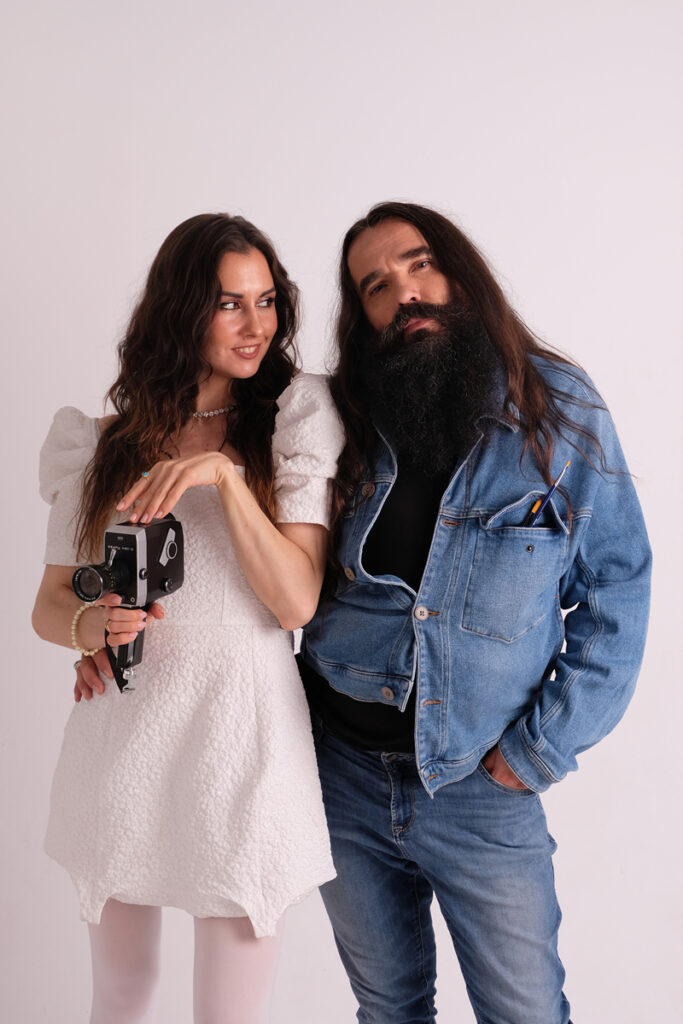
Kirill Prepelitse: You often call yourself an artist. What does this concept mean to you?
Valery Pereverzev: Many people perceive an artist as someone with a brush and an easel. To me, that definition is too narrow.
An artist is someone who creates their own universe.
It does not matter whether they work in cinema, literature, painting or museums. In every case, they build a world and populate it with images, meanings and characters.
That is why all my activities are connected.
A film is one form of an artistic universe.
A museum is another.
A painting is a third.
But the principle remains the same.
Why Unusual Museums Appear
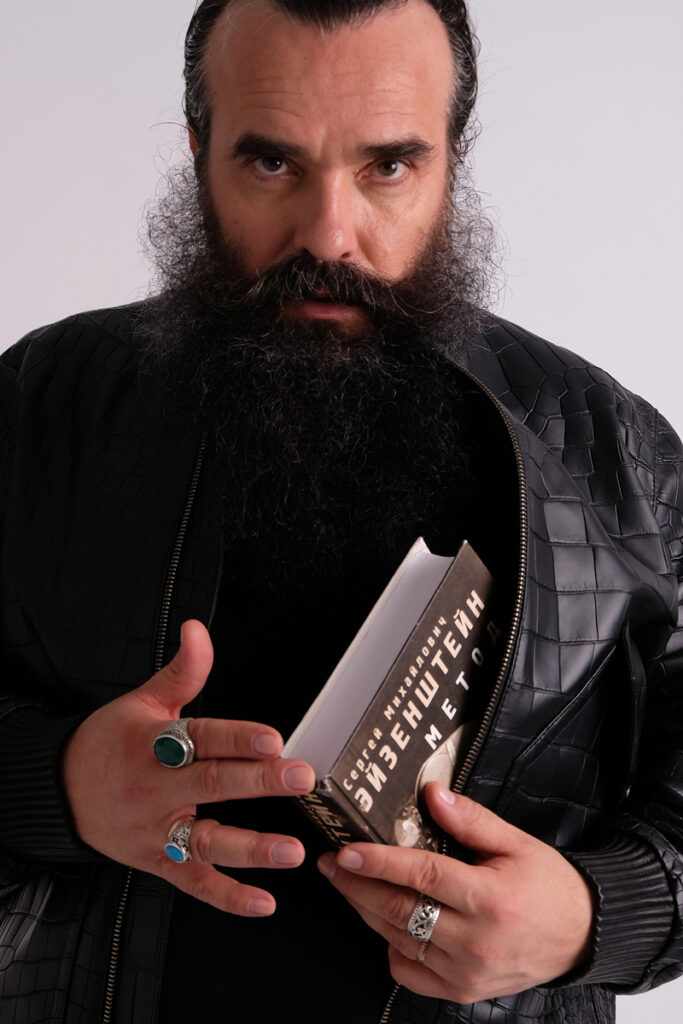
Kirill Prepelitse: Your museum projects are often connected with subjects that are considered provocative. Why do you choose these directions?
Valery Pereverzev: I have always been interested in subjects that help us better understand people and society.
When we created a museum dedicated to the history of prostitution, it was not about promoting anything. It was an attempt to study a historical and social phenomenon.
The same applies to the museum of the history of corporal punishment and other similar projects.
History consists not only of beautiful and heroic pages. It also includes difficult and controversial phenomena that need to be discussed.
A museum provides an opportunity to look at such subjects calmly and without prejudice.
Museums for Adults and Children
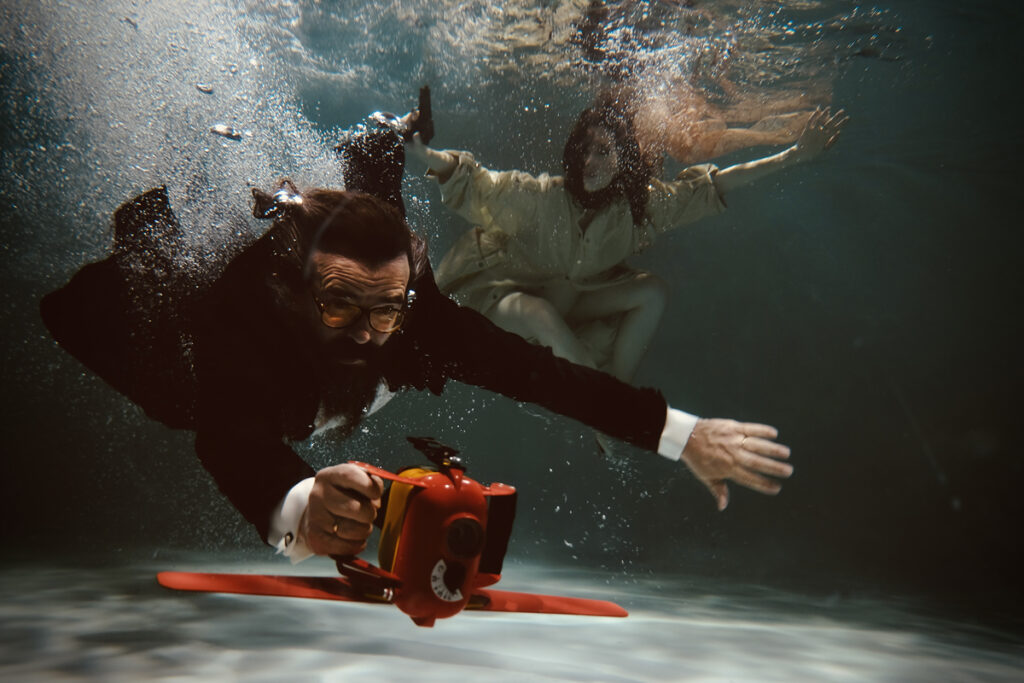
Valery Pereverzev: At the same time, many people forget that we also created completely different projects.
For example, the Museum of the History of Aquarium Keeping, the Museum of Gifts from the television program Pole Chudes, the Moscow Kunstkamera, the House of Abandoned Dolls and Forgotten Toys, and the Museum of Invisible Things.
Journalists mention these projects much less often.
Perhaps this is because a scandalous subject always attracts more attention.
But a significant part of our museums was created for families and was designed to be suitable for children as well.
The Museum of the History of Drinking and a Personal Choice
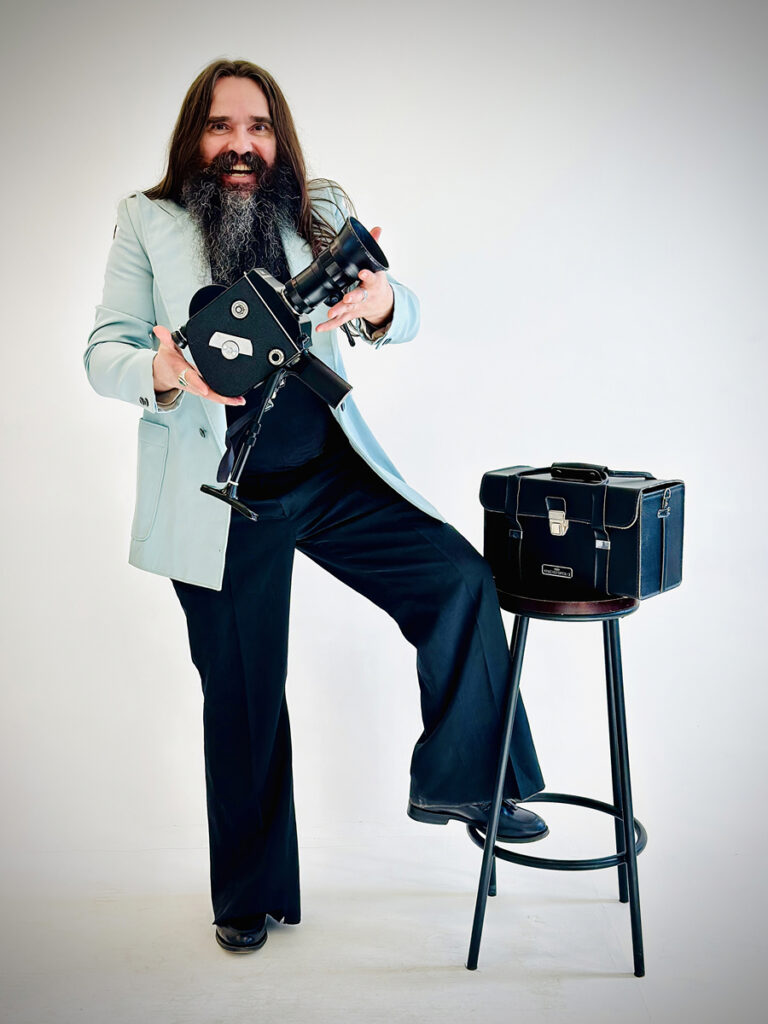
Kirill Prepelitse: One of your best-known projects is the Museum of the History of Drinking.
Valery Pereverzev: And here, too, there is a common misconception.
The existence of such a museum does not mean that its creators support alcohol consumption.
I do not drink myself.
When Yulia and I learned that we were going to become parents, we decided to give up alcohol and smoking. Many years have passed since then.
It was a conscious choice.
Creativity does not require stimulants. They are not necessary for making films, paintings or museums.
Inspiration comes from completely different things.
“Creativity does not require stimulants. They are not needed to create art.”
Hunting for History
How a Collector Searches for Exhibits for Years
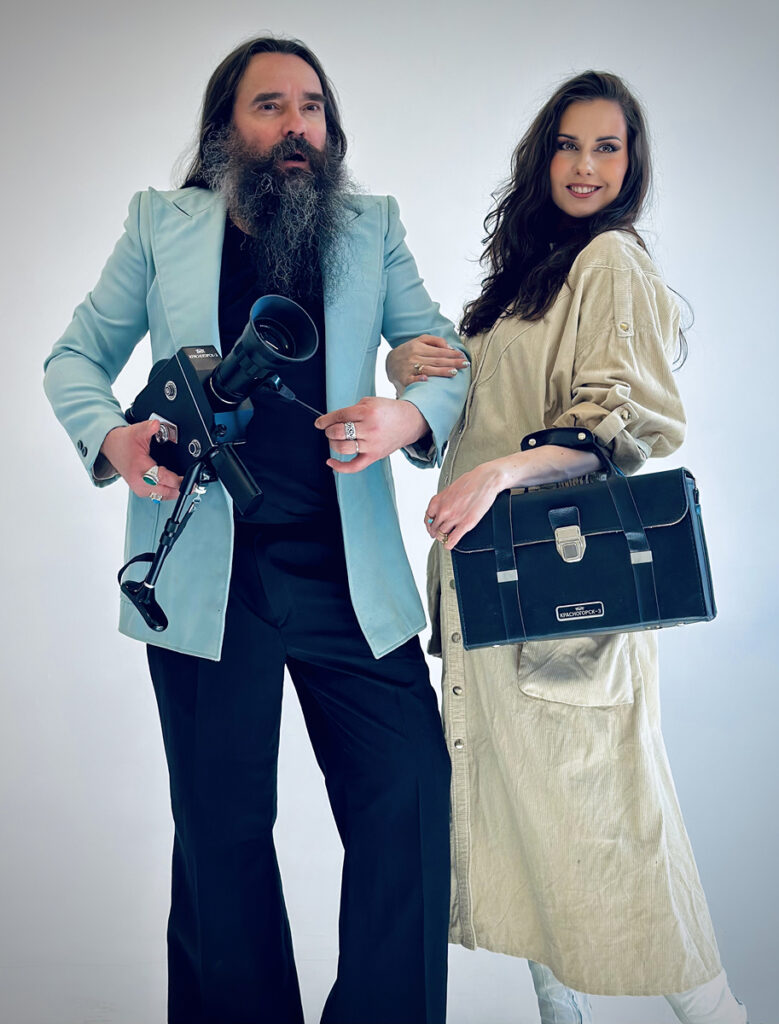
Kirill Prepelitse: How do exhibits for your museum projects appear?
Valery Pereverzev: It is difficult to call it work. It is more like a way of life.
A collector never stops searching.
You communicate with antique dealers, study catalogs, visit flea markets and auctions, meet people.
Sometimes the right object is found quickly. Sometimes the search continues for decades.
Over time, a circle of like-minded people develops around you.
Someone remembers you years later.
Someone tells you about an object they have found.
Someone recommends that you contact another collector.
That is how museum collections gradually come together.
The Story of One Janitor
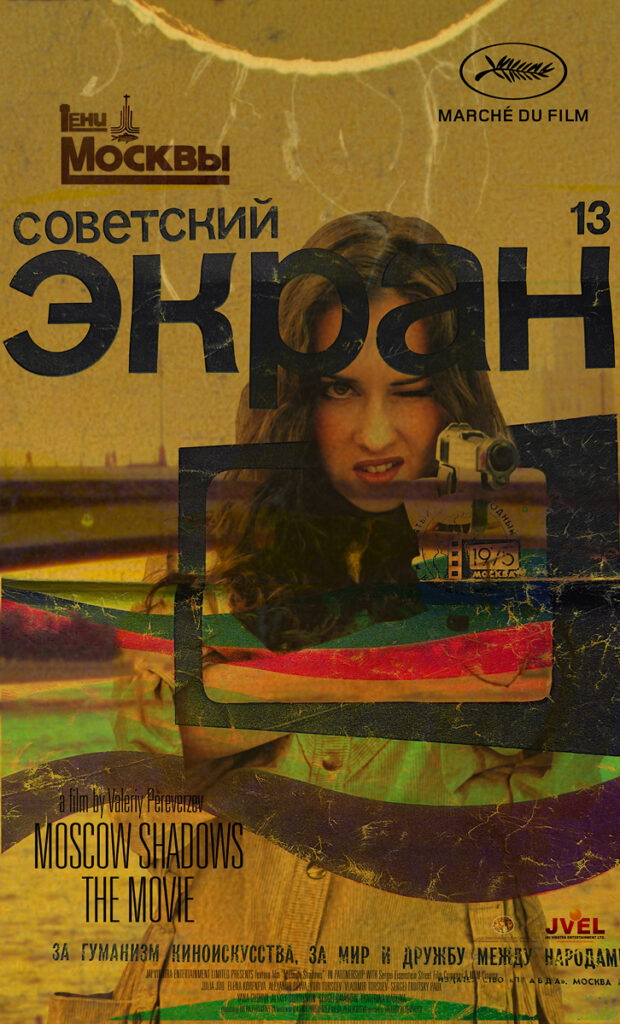
Valery Pereverzev: There is a story I often remember.
For many years, I was looking for a photograph of a pre-revolutionary janitor. Not simply a man with a broom, as many people might imagine today, but a janitor as an official position in the Russian Empire.
While our museum existed, we could not find such a photograph.
We were even forced to create a reconstruction based on archival materials.
Many years passed.
One day, I bought an old group photograph to decorate the interior of a restaurant.
When I looked at it carefully, I suddenly realized that I was looking at a photograph of janitors from the Yaroslavl Governorate dating from the beginning of the twentieth century.
So I had spent twenty years looking for one janitor and ended up finding several dozen.
Those are the moments that make collecting such an extraordinary activity.
“I spent twenty years looking for one janitor and ended up finding them all.”
Museums and Cinema
Why Exhibits Move to the Screen
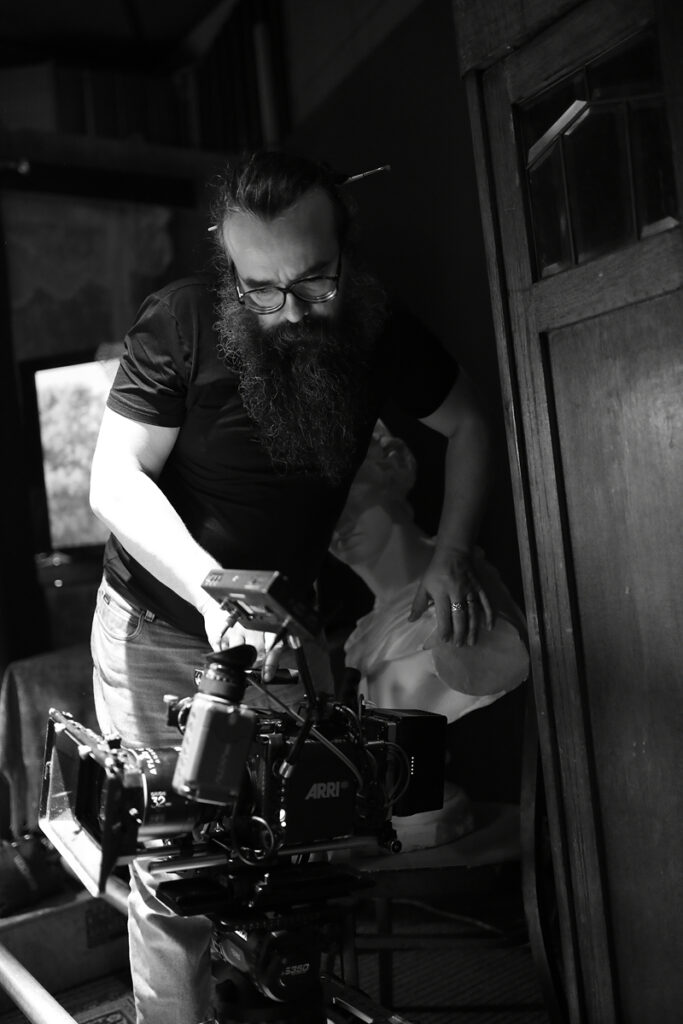
Kirill Prepelitse: Do you use museum objects in your films?
Valery Pereverzev: Very often.
For me, cinema, museum work and artistic creativity have never existed separately.
An object can first appear in a museum exhibition, then appear in a film, and later return to the museum space.
Sometimes the opposite happens.
An object is created specifically for filming and then begins to live an independent life as a museum exhibit or work of art.
All of this is part of one large creative process.
“I Don’t Make Genres. I Make Films About People.”
Why the Director Does Not Consider Himself a Horror Filmmaker
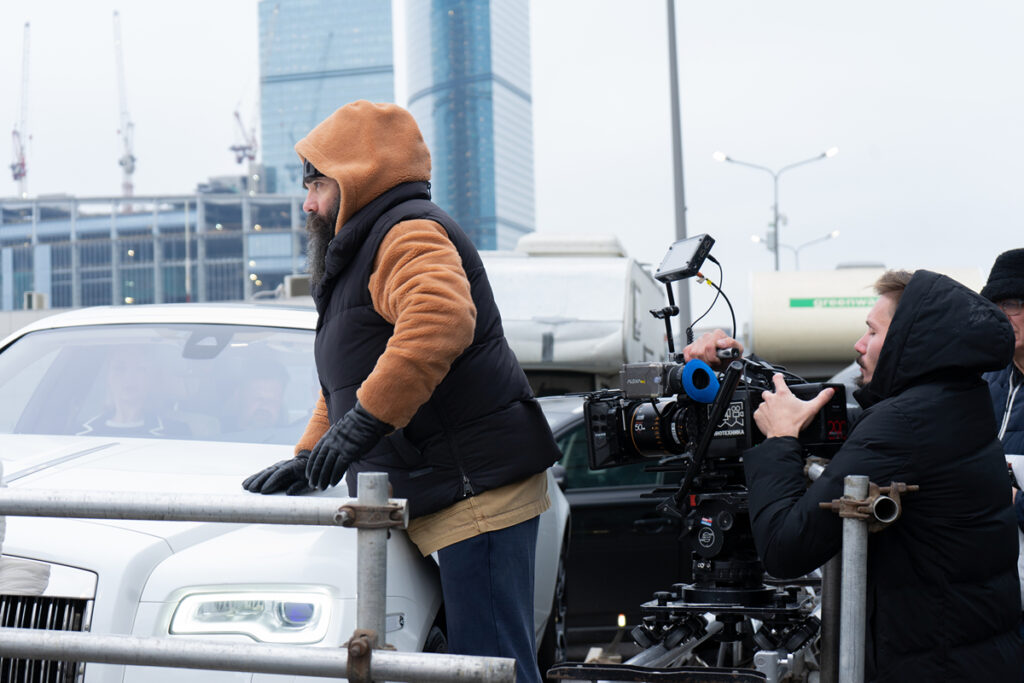
Kirill Prepelitse: Many viewers associate your name primarily with the horror genre.
Valery Pereverzev: I think that is somewhat simplistic.
I do not see myself as a director of one particular genre.
For me, there is auteur cinema.
And at the center of auteur cinema is always the person telling the story.
Genre is simply a tool.
Today it may be horror, tomorrow drama, the day after tomorrow a parable or a social story.
What matters is not the form but the content.
“An Artist Talks About What They Know”
Valery Pereverzev: Every author works with material that is close and understandable to them.
That is why directors so often return to familiar subjects.
Take Martin Scorsese, for example. A significant part of his work is connected with the world of the Mafia.
Not because he deliberately chose that subject, but because he knows that environment well.
The same applies to me.
I make films about what I understand.
If I were asked to make a film about quantum physics, I would first have to immerse myself in that world, meet people involved in it and study their way of thinking and living.
Only then could a genuine auteur statement emerge.
“An artist talks about the world they know from the inside.”
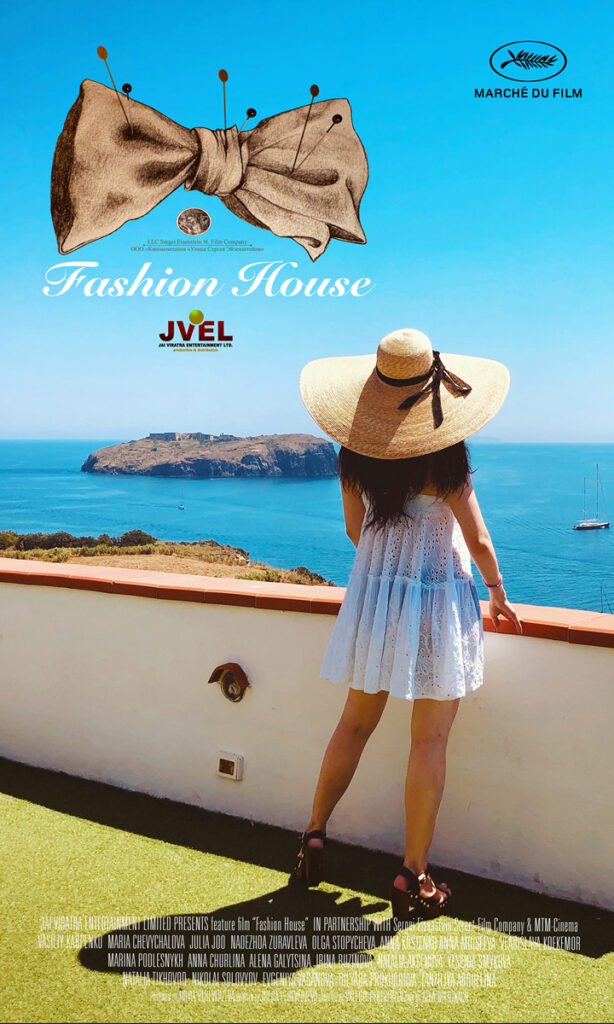
“Fashion House”
A Film About a World That Had to Be Studied from Scratch
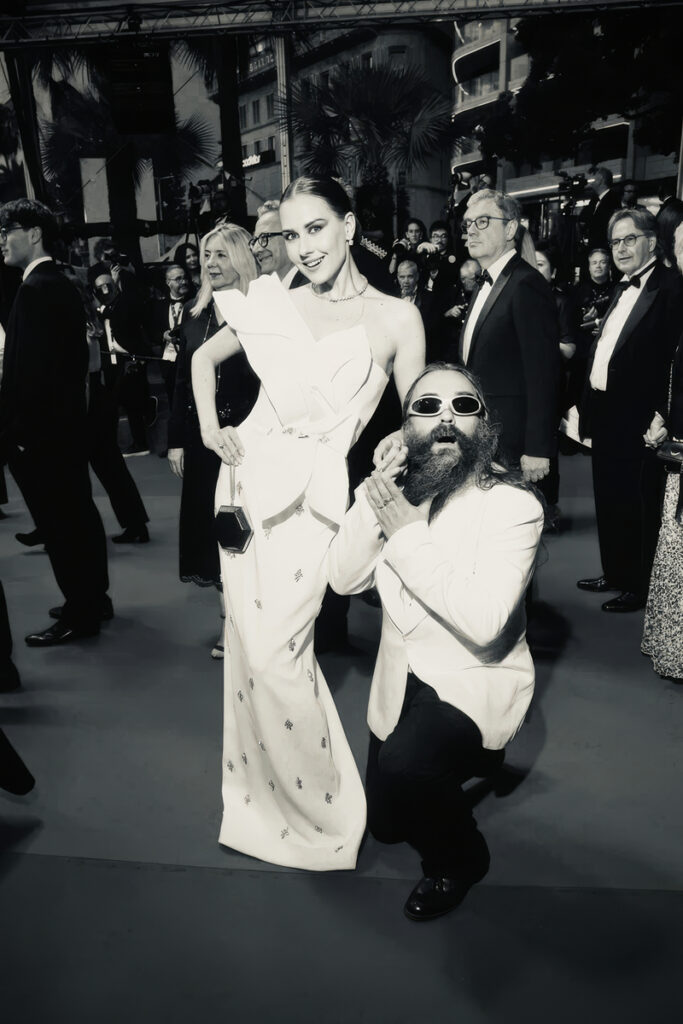
Kirill Prepelitse: After working on Fashion House, did you begin to understand the fashion industry better?
Valery Pereverzev: Absolutely.
When I first started working on the project, this world was practically unknown to me.
Many things surprised me: the desire to reach the runway, the constant need to be at the center of attention, and the particular system of relationships within the industry.
I was looking at it through the eyes of an outsider.
But that was precisely what made it interesting.
One World — Many Perspectives
Valery Pereverzev: At some point, I realized that I did not want to tell this story from a single point of view.
That is how the principle of multiple perspectives emerged.
The same world is seen through the eyes of completely different characters.
First through the eyes of someone who knows nothing about the fashion industry.
Then through the eyes of people who are part of it.
Then children appear, artists and people with completely different life experiences.
As a result, a multidimensional picture emerges, in which every character sees their own version of reality.
I think that is how life itself works.
The Future of Russian Cinema
“Russian Cinema Is Not Dead”
Kirill Prepelitse: Many people talk about a crisis in Russian cinema. Do you agree?
Valery Pereverzev: No.
I believe Russian cinema is not dead.
It is sleeping.
And those are completely different things.
We still have talented directors, screenwriters, actors and artists.
We have a huge cultural tradition.
We have a strong school.
The problem is not a lack of talent.
The problem is that we do not have enough space to search for a new cinematic language.
Why Auteur Cinema Remains Necessary
Valery Pereverzev: Every development begins with an experiment.
That is why the country needs auteur directors, film laboratories and people willing to take risks and search for new forms.
Yes, such experiments do not always succeed.
Sometimes they lead to mistakes.
But without them, progress is impossible.
All major changes in the history of cinema once began with an experiment.
“Russian cinema is not dead. It is sleeping. And one day it will definitely wake up.”
“Varvara”
A Story in Which the Personal Becomes Universal
Kirill Prepelitse: Many people associate the title of Varvara with your daughter. Is that actually the case?
Yulia Pereverzeva: There is certainly a personal story behind it, but the film cannot be reduced to that alone.
It was important for us to create a work that operates on several levels of perception.
That is why the film contains religious motifs, the theme of martyrdom, family and responsibility.
At the same time, the film raises the issue of single fathers — a subject that for a long time was barely discussed publicly.
We were interested not only in individual destinies, but also in a broader conversation about human responsibility and the ability to overcome circumstances.
When a Local Story Becomes International
Yulia Pereverzeva: We were especially pleased that the film proved understandable to audiences in different countries.
The film participated in international festivals and received a response from audiences far removed from the Russian cultural environment.
For an author, that is always important.
It means that the story managed to touch on subjects that people can understand regardless of their language or where they live.
“The more honest the story, the easier it is for people in different countries to understand it.”
“Brother 3”
The Film People Started Discussing Before the Premiere
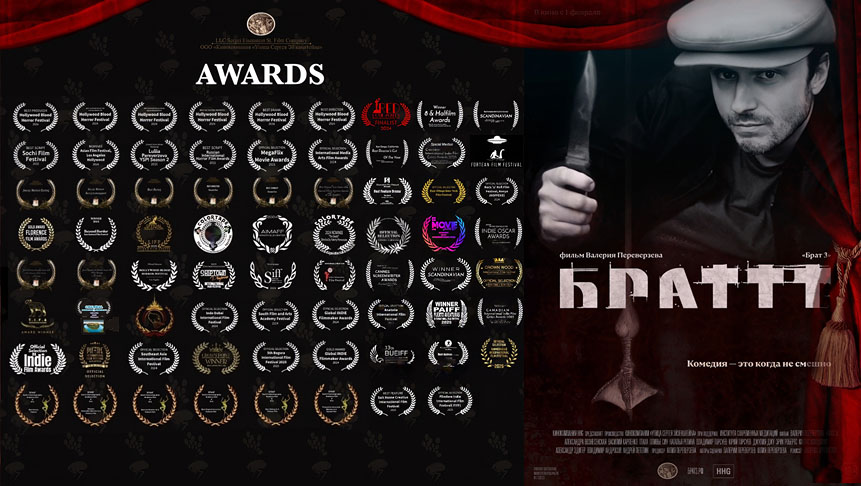
Kirill Prepelitse: It seems that none of your projects caused as much controversy before its release as Brother 3.
Valery Pereverzev: That is true.
And the most interesting part is that many people began discussing the film long before they had actually seen it.
It created a rather unusual situation: people had not watched the work yet, but had already formed an opinion about it.
As an artist, I find that an interesting phenomenon.
About the Title
Valery Pereverzev: I have explained my position many times.
Brother 3 is not a continuation of Alexei Balabanov’s films.
It is an independent work.
But people often perceive a title separately from its content and start looking for connections that do not actually exist.
If a person’s name is Yuri, nobody demands that he explain his relationship to Yuri Gagarin.
A film title works according to the same principle.
It can create associations, but it does not have to become a continuation of something else.
When the Controversy Becomes Part of the Art
Valery Pereverzev: Sometimes I feel that a separate artistic story emerged around the title.
People argued.
They wrote articles.
They discussed the film on social media.
And quite often they were discussing the title itself.
It demonstrated how powerful a public reaction can be even to a single element of an artistic work.
“Sometimes people discuss the title more than the film itself.”
Working as One Team
When a Director and Producer Are Also a Family
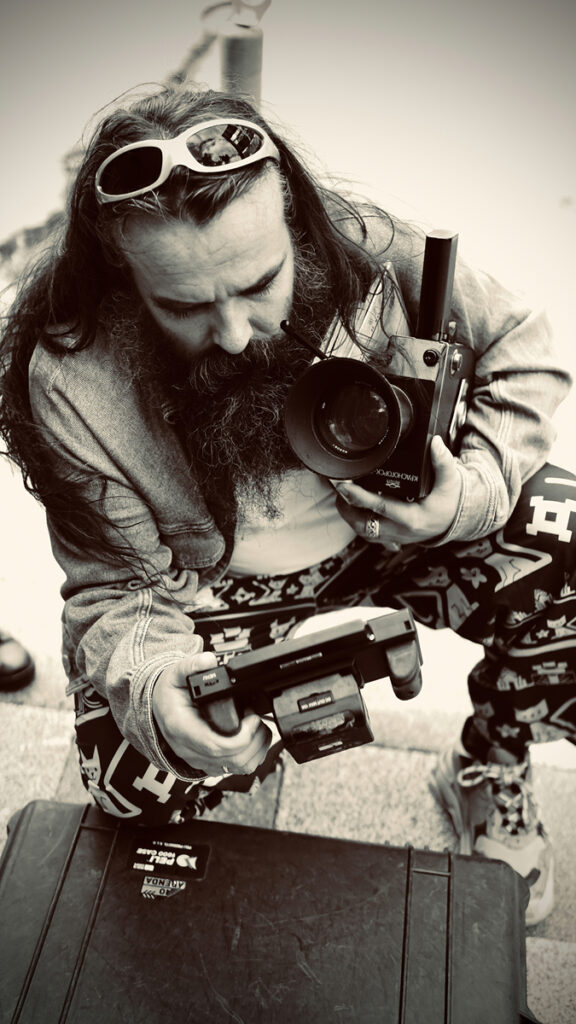
Kirill Prepelitse: How difficult is it to work together while remaining a family?
Yulia Pereverzeva: It really depends on your attitude toward the work.
Of course, we have disagreements.
But they are related to professional matters, not personal ones.
When people are genuinely interested in the result, discussion is inevitable.
That is a normal part of the creative process.
Valery Pereverzev: It is important to understand that the person beside me genuinely shares my views on art.
For an artist, that is enormous support.
Auteur cinema requires complete involvement.
Sometimes you have to take risks.
Sometimes you have to make decisions that seem strange to other people.
And it is very important to have someone beside you who understands why you are doing it.
The Story of an Airship
Why the Artist Does Not Like Compromises
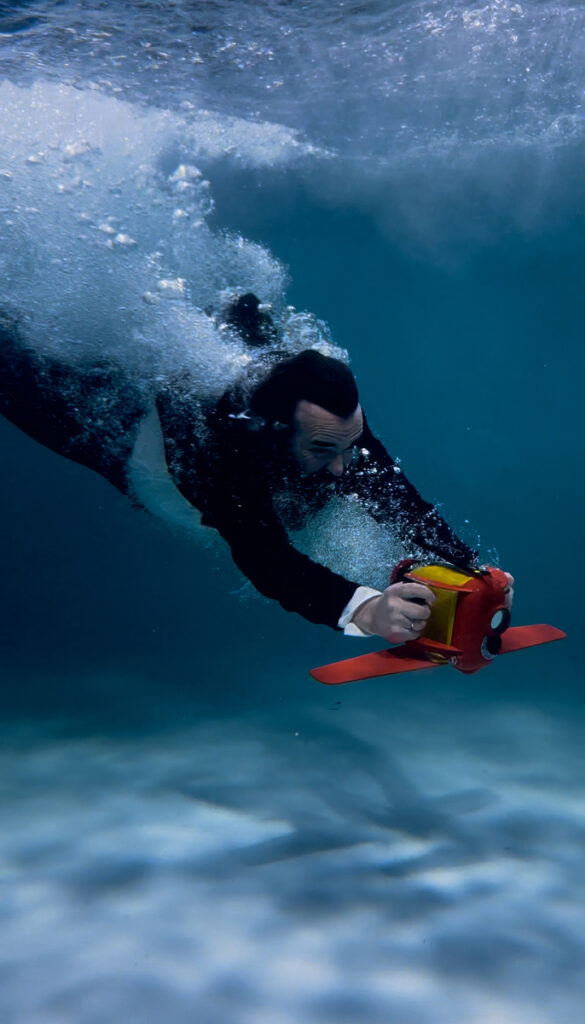
Kirill Prepelitse: Yulia, tell us about the most unusual situation you have experienced during filming.
Yulia Pereverzeva: There have been many such stories.
But there is one that the entire team still remembers.
The script contained a scene in which an airship had to appear on screen.
Most members of the crew suggested creating it with computer graphics.
It would have been easier, cheaper and faster.
Valery Pereverzev: But the problem was that I needed a real airship.
If a story requires a particular image, you cannot replace it with something approximate.
The viewer may not consciously recognize the difference, but they always sense the degree of authenticity.
Yulia Pereverzeva: So the search began.
We had to find an airship, coordinate schedules, select a location, assemble a team and organize a complicated shoot.
Then we discovered that the scene also required an old-fashioned water column.
That had to be found separately as well.
Valery Pereverzev: Someone might call this excessive perfectionism.
Perhaps.
But cinema is made of details.
Sometimes a single detail determines the atmosphere of an entire scene.
“Cinema is made of details. Sometimes one detail determines everything.”
Artist and Producer
On Trust
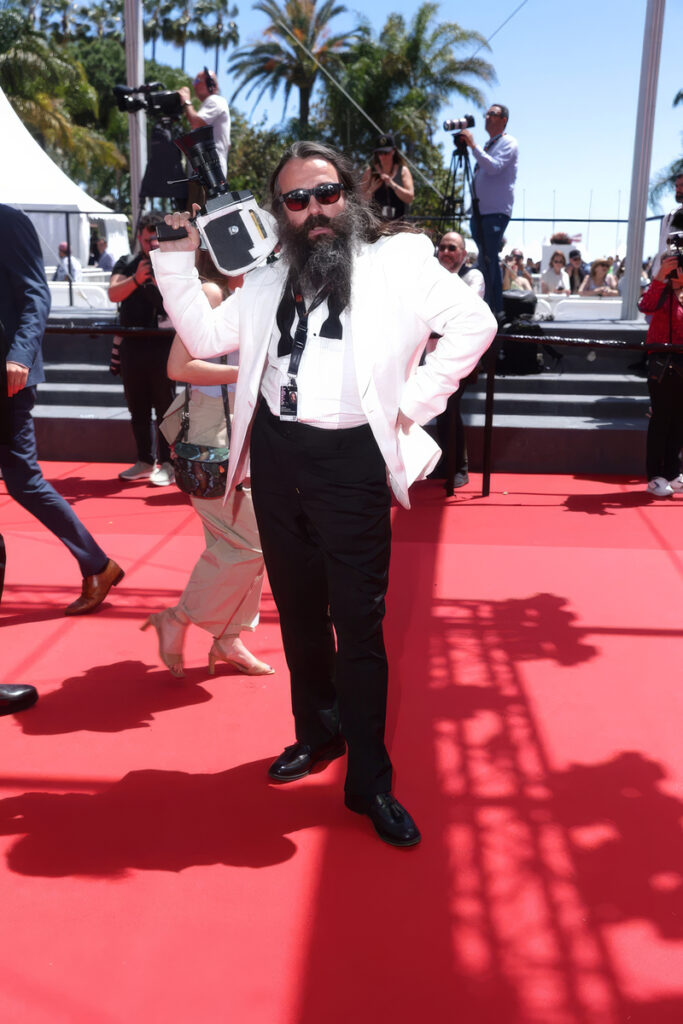
Kirill Prepelitse: What helps you maintain a working relationship within the family?
Yulia Pereverzeva: Trust.
Without it, neither a family partnership nor creative collaboration is possible.
When you work on a film for several years, you go through an enormous number of difficulties.
That is why it is so important to know that the people beside you are people you can trust.
Valery Pereverzev: It is also important to respect another person’s profession.
A producer sees a project differently from a director.
An actor sees it differently from a screenwriter.
Everyone is responsible for their own part of the work.
When this understanding exists, collaboration becomes much more productive.
Editorial Note
Valery Pereverzev’s films have repeatedly participated in Russian and international film festivals.
However, the authors themselves emphasize that their most important result is not the number of awards, but the opportunity to have a conversation with the audience through art.
Working with Performers
Why Ptah Appeared in the Film
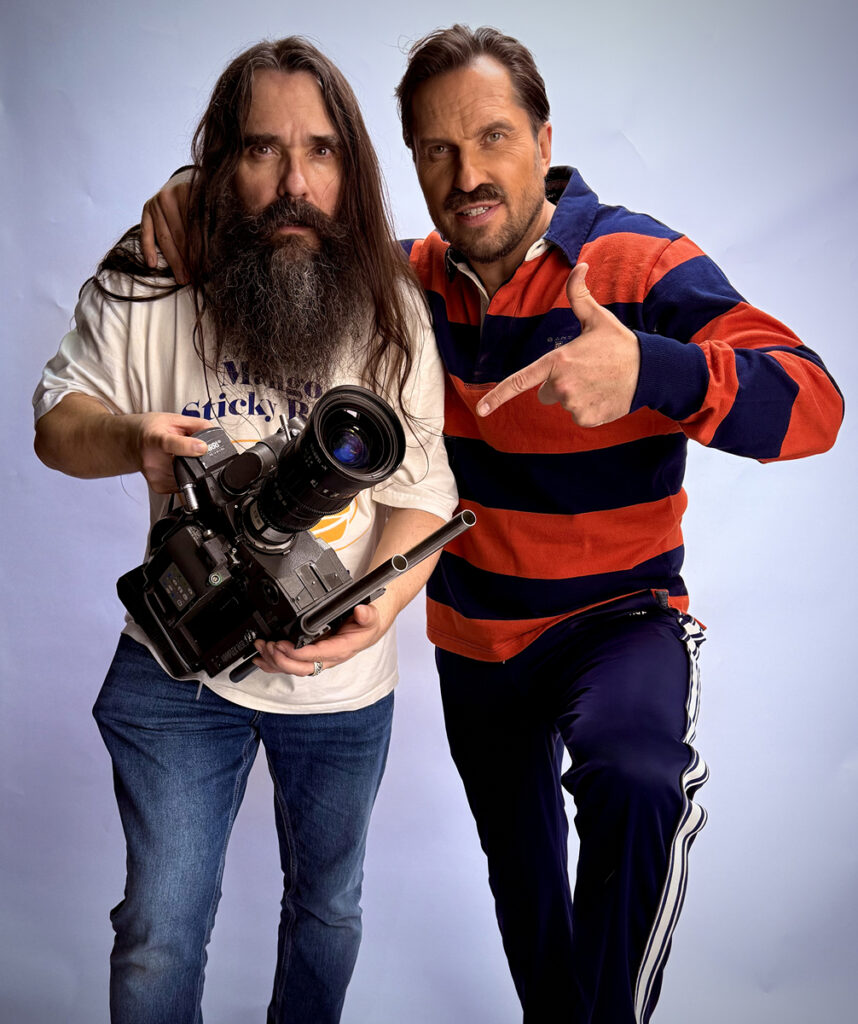
Kirill Prepelitse: One of the most unexpected participants in your projects for many viewers was Ptah. How did the collaboration begin?
Valery Pereverzev: It began quite naturally.
We have known each other for a long time and our families are friends.
Our children spend time together, we meet outside work, so inviting him to the film was not a random decision.
But it is not only about friendship.
For me, it is very important that a person exists naturally on camera.
David has a rare quality — he knows how to be natural in front of the camera.
Yulia Pereverzeva: I think many viewers were surprised by how unexpectedly he reveals himself on screen.
People come with their own ideas about a person and then see a completely different side of their personality.
That is probably what makes cinema interesting.
Valery Pereverzev: Art often destroys stereotypes.
That is why I like working with people who have inner depth and the ability to surprise.
“Art begins where stereotypes end.”
Artificial Intelligence
A New Tool or a New Author?
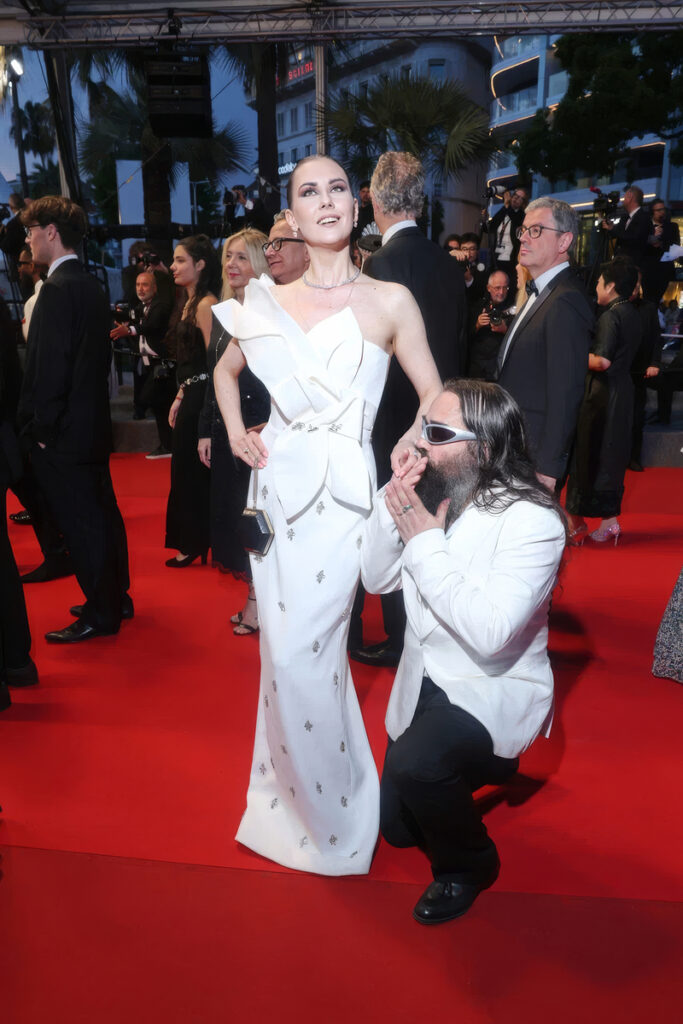
Kirill Prepelitse: Everyone is discussing artificial intelligence today. How do you feel about its influence on creativity?
Yulia Pereverzeva: For now, I take a calm approach to it.
Of course, technology is developing very quickly.
But scripts created by artificial intelligence are still noticeably different from texts written by people.
Especially when it comes to complex dramaturgy, psychological motivations and living human characters.
Valery Pereverzev: I think many people make the same mistake.
They perceive artificial intelligence as something independent and almost mystical.
In reality, it is a tool.
A very powerful one.
A very useful one.
But still a tool.
Once People Were Afraid of the Internet

Valery Pereverzev: I remember the time when people were afraid of the internet.
There were predictions that everything would change: education, culture, art and human communication.
To some extent, that really happened.
But the internet did not destroy creativity.
It simply became part of our lives.
I think something similar will happen with artificial intelligence.
It will find its place among other technologies and become another tool in the hands of human beings.
Can a Machine Create Art?
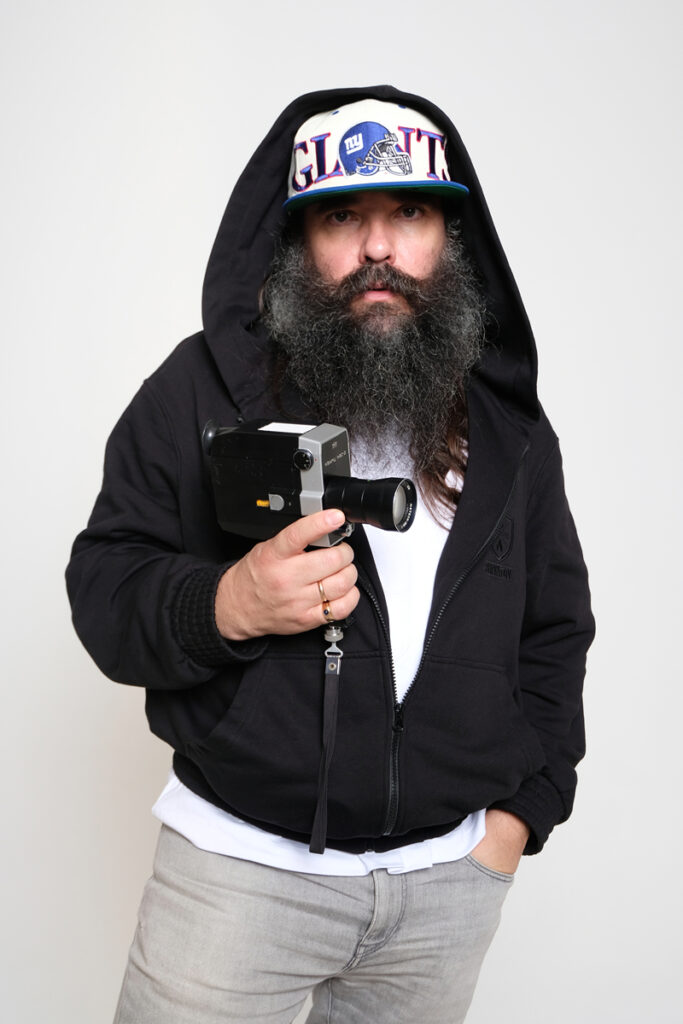
Kirill Prepelitse: But can artificial intelligence become a full-fledged author?
Valery Pereverzev: This raises a fundamental question.
Where does art come from?
It is born from human experience.
From love.
From fear.
From memory.
From pain.
From hope.
From inner struggle.
A machine can analyze enormous amounts of data.
It can identify patterns.
It can combine images.
But it cannot live a human life on behalf of a human being.
Therefore, the source of art remains in the human being.
“Artificial intelligence can help an artist, but the source of art is still found in the human being.”
The Future of Cinema
What Awaits the Industry
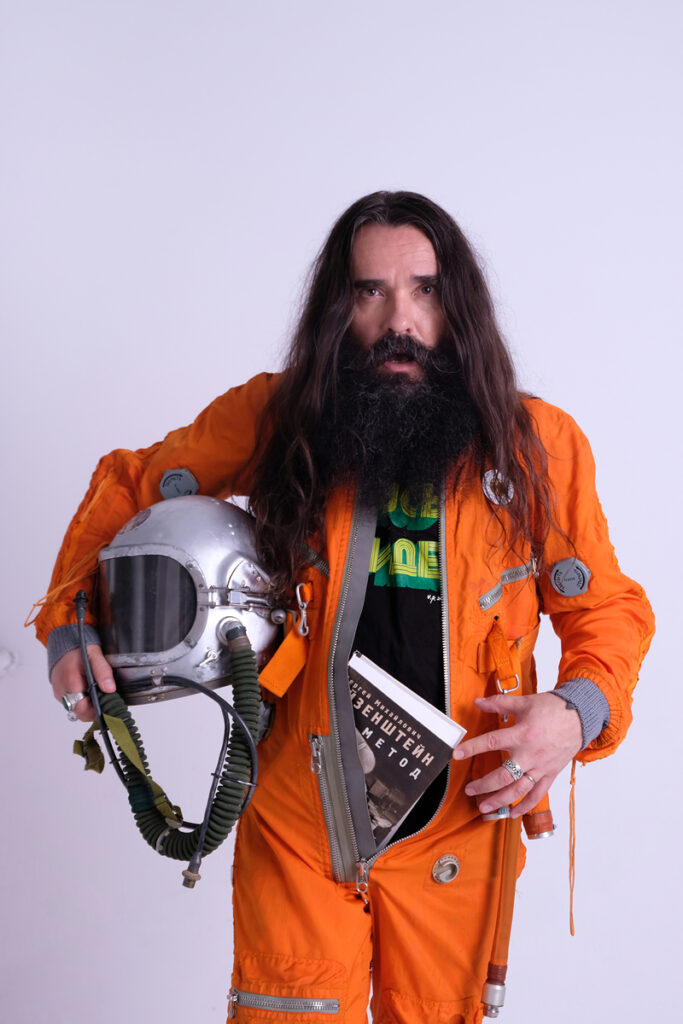
Kirill Prepelitse: What do you think cinema will look like in ten or fifteen years?
Valery Pereverzev: Technologically, it will be completely different.
But its essence will remain the same.
People will still tell stories.
The need to hear and tell stories appeared long before cinema and will exist for a very long time.
The media will change.
The ways we watch films will change.
New tools will appear.
But the human need to empathize with characters will remain.
Yulia Pereverzeva: I think audiences will value sincerity more and more.
Today people encounter an enormous amount of information every day.
That is why genuine emotions and an honest conversation with the audience are becoming particularly important.
That is what remains after watching a film.
Family
What Really Matters

Kirill Prepelitse: What is your main source of motivation today?
Yulia Pereverzeva: Family.
As you get older, you begin to perceive time differently.
You want to create not simply projects, but things that retain their meaning years later.
I really want our children to be able to watch our films one day and understand why we devoted so much effort to this work.
Valery Pereverzev: For me, family and creativity have long been part of the same space.
It is impossible to separate one from the other.
Many ideas are born at home.
Many decisions are made together.
So everything we create is, in a sense, a continuation of our shared life.
“The most important projects always begin with the people who are close to you.”
Legacy
What Remains After an Artist
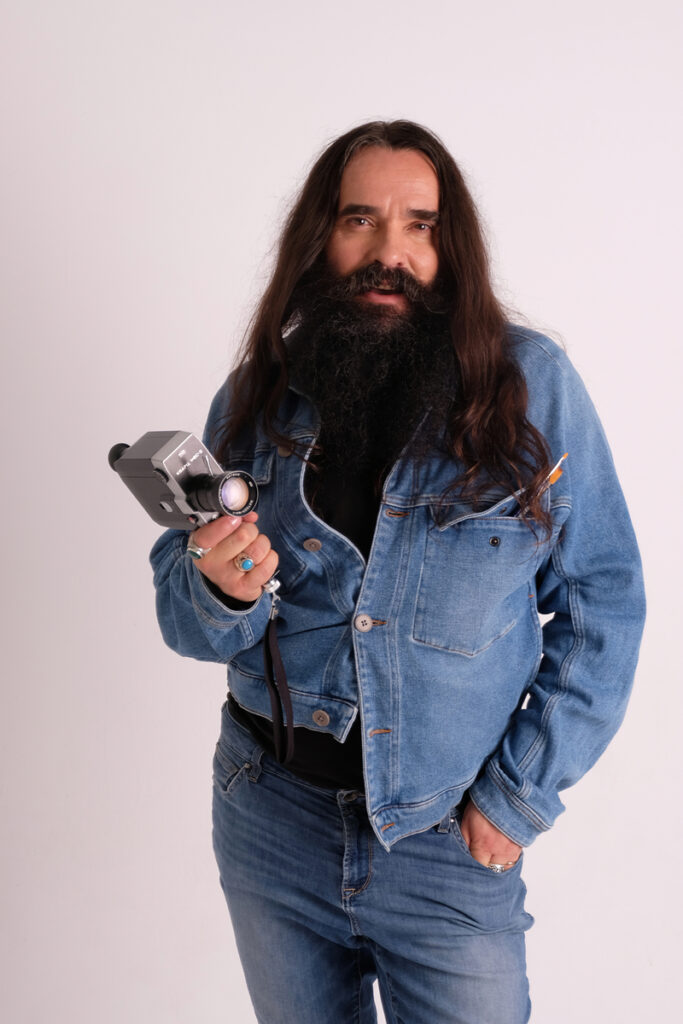
Kirill Prepelitse: What do you think about when you think about the future?
Valery Pereverzev: Probably about the trace a person leaves behind.
At some point, you realize that the number of films, exhibitions or awards is no longer the main criterion.
Something else becomes much more important.
Were you able to say something meaningful?
Were you able to make the viewer think?
Were you able to change at least one person?
If the answer is yes, then the work was not in vain.
Yulia Pereverzeva: Art does not necessarily have to provide ready-made answers.
Sometimes its task is to help a person ask themselves the right questions.
And that is already a great deal.
Instead of an Afterword
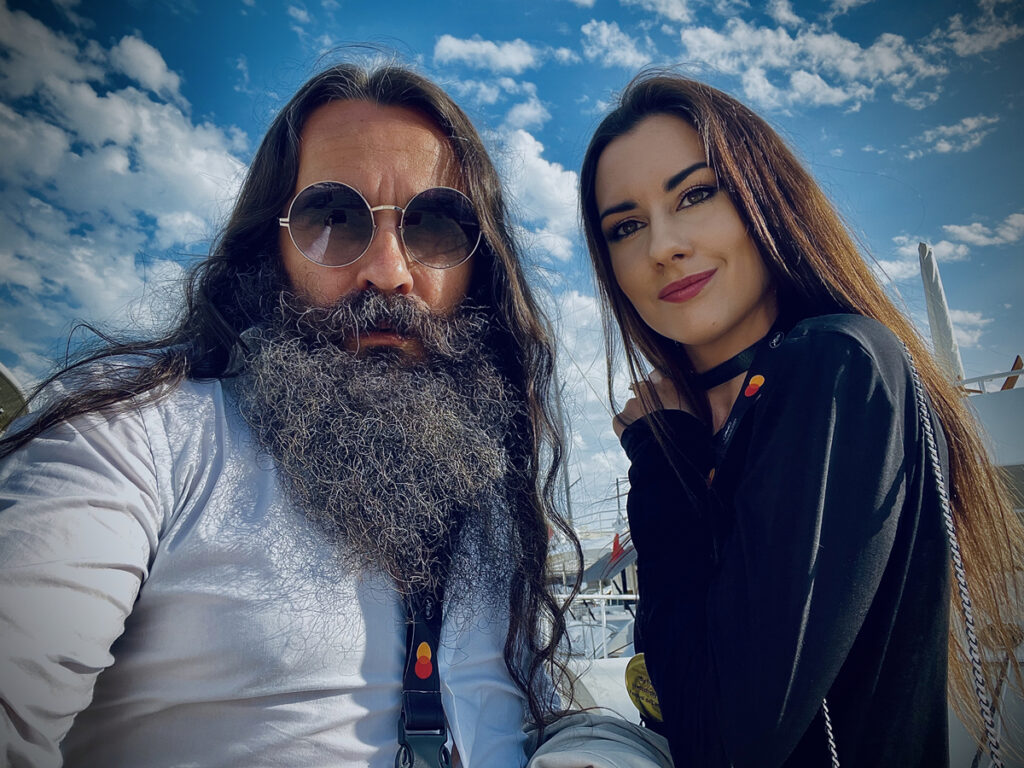
Valery and Yulia Pereverzevy belong to a group of authors who consciously avoid simple solutions and predictable paths.
Their films provoke discussions.
Their museum projects make people argue.
Their statements often become subjects of public debate.
But perhaps that is precisely the role of art — not to leave a person indifferent.
In a world where information continues to grow while the time available for reflection becomes increasingly limited, projects like these remind us of something essential:
art remains a way of talking about the human being.
Correspondent: Kirill Prepelitse
Guests: Valery and Yulia Pereverzev
Photographers: Polina Kakhorova, Mikhail Felzing, Valery Pereverzev, Gennady Avramenko
Links to the Video and Audio Podcast:
Video:
https://dzen.ru/video/watch/6a6b422d5ea2b41354b41ed9
https://rutube.ru/video/a7f67992654c15d9dea849c8941b89fd/
https://youtu.be/savsFtxUQOo
https://vkvideo.ru/video-235782478_456239263
Audio:
https://podcasts.apple.com/us/podcast/искусство-начинается-там-где-заканчиваются-компромиссы/id1896753704?i=1000779150040
https://music.yandex.ru/album/42160806/track/154299656
https://castbox.fm/episode/Искусство-начинается-там%2C-где-заканчиваются-компромиссы-id7230570-id975922519
https://pca.st/4lom75pr
https://soundstream.media/clip/iskusstvo-nachinayet-sya-tam-gde-zakanchivayut-sya-kompromissy
https://open.spotify.com/episode/1Al2ncEwYIAeywd8zTAnlU?si=ObHtijJ_RI6GIHE4SNsIPQ
https://link.deezer.com/s/346vTysSFJvFCaRsh8Fqd
https://zvuk.com/episode/184983994
https://www.youtube.com/watch?v=wkXk2ZJ78uA&list=PLqgqK7DXhXp-heQR2V10em8Ml1-OHRYcS&index=1&pp=iAQB
https://mave.stream/e/a8byFQgbhR